Oops! Something went wrong while submitting the form.

.png)
Inside the American College of Physicians' 2017 guideline on back pain — and where acupuncture actually sits.
For decades, the default move for back pain was straightforward: something goes wrong, you take a pill. Simple, familiar — and, it turns out, not what the evidence actually supports.
STAGE 01 — THE OLD DEFAULT
In 2017, the American College of PhysiciansGlossaryOften shortened to ACP — one of the largest professional medical societies in the US, representing internal medicine physicians. — one of the largest medical societies in the US — published a rigorous review of every noninvasive treatment for back pain, acute and chronic.
STAGE 02 — THE REVIEW
Their conclusion reordered the whole approach: try non-drug therapies first. For acute and subacuteGlossaryAcute pain has lasted under 4 weeks; subacute pain has lasted 4–12 weeks. Chronic pain, by contrast, has lasted 12 weeks or more. back pain, that list explicitly includes acupuncture, alongside heat, massage, and spinal manipulation.
STAGE 03 — FIRST-LINE, NOT LAST RESORT
For chronic back pain specifically, the first-line list grows: exercise, multidisciplinary rehabilitationGlossaryA treatment approach combining several specialists — such as physiotherapy, psychology, and medical care — working together on one patient's recovery., acupuncture, tai chi, yoga, mindfulness-based stress reductionGlossaryOften shortened to MBSR — a structured programme combining meditation and body awareness, originally developed to help patients manage chronic pain and stress., and cognitive behavioural therapyGlossaryOften shortened to CBT — a talking therapy that helps people change unhelpful thought patterns, including how they respond to and cope with chronic pain. — all before medication is considered.
STAGE 04 — THE FULL FIRST STEP
Only if non-drug options aren't enough does medication enter the picture — and even then, the guideline points first to NSAIDsGlossaryNon-Steroidal Anti-Inflammatory Drugs — common painkillers like ibuprofen and naproxen that reduce pain and inflammation., not stronger drugs.
STAGE 05 — MEDICATION AS A SECOND STEP
OpioidsGlossaryStrong painkillers derived from or similar to morphine (e.g. codeine, tramadol, oxycodone) — effective for acute pain, but carrying a real risk of dependence with long-term use. sit at the very top of the guideline's sequence — a last resort, reserved for when other options have failed, with the risks explicitly weighed. Acupuncture, by contrast, is one of the first things worth trying.
STAGE 06 — WHERE OPIOIDS ACTUALLY SIT
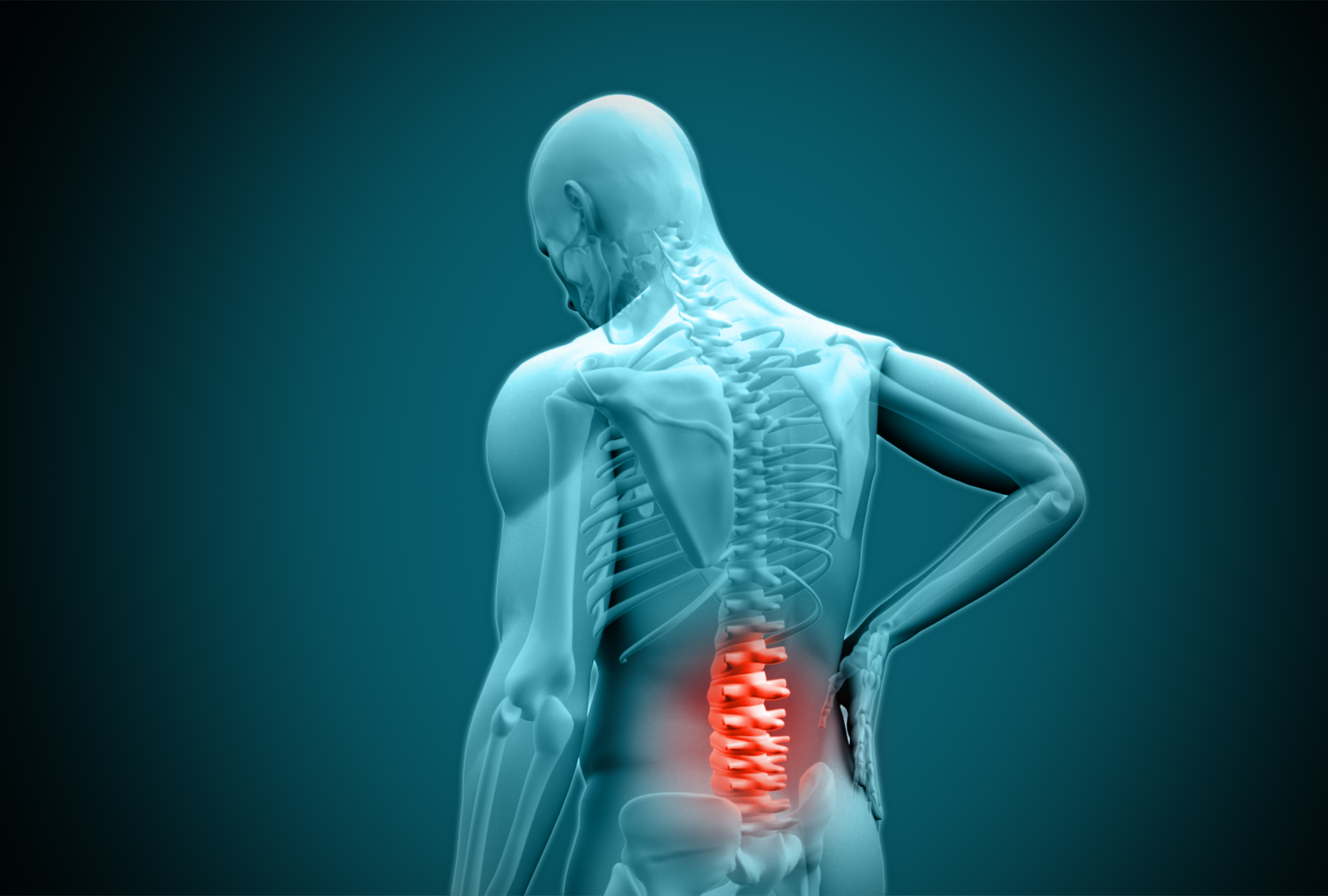
It's also, as this guideline shows, one of the clearest cases where the recommended first step isn't a prescription.
A major US medical society puts acupuncture ahead of medication for back pain. We think that's worth knowing before you reach for a prescription.
Source: Qaseem A, Wilt TJ, McLean RM, Forciea MA; Clinical Guidelines Committee of the American College of Physicians. "Noninvasive Treatments for Acute, Subacute, and Chronic Low Back Pain: A Clinical Practice Guideline From the American College of Physicians." Annals of Internal Medicine, 2017;166(7):514–530.
.png)
.png)